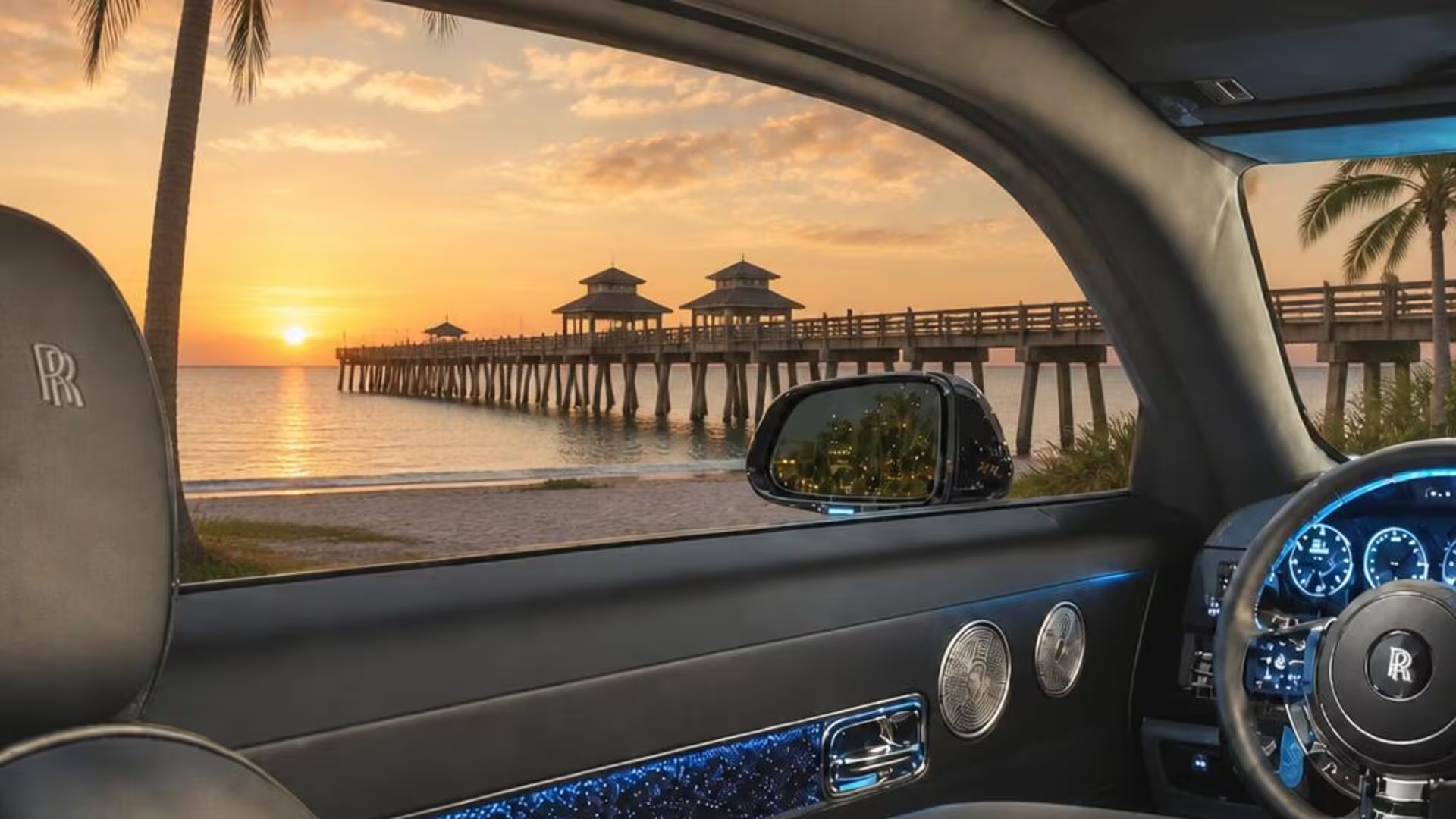
What Florida heat feels like through the glass
In Naples, a car can feel hot before you have even pulled out of the driveway. The windshield, side glass, and large rear windows all let in light, and the effect is most noticeable on a bright afternoon or after the vehicle has been parked outside.
Window film cannot turn a parked car into a refrigerator, and it will not replace a working air-conditioning system. What it can do is change how much light, glare, and solar energy reach the cabin. That is why a good tint conversation starts with where you feel the heat and when you drive, not with a shade number alone.
What to keep in mind
- Drivers who spend most of the day outside may care most about heat comfort and the film package.
- A commute facing the low morning or afternoon sun may make glare control the first priority.
- A family vehicle may need a different balance of visibility and privacy than a weekend car.
- Existing privacy glass, glass roofs, and different factory glass can change the finished look.
Carbon, ceramic, or premium ceramic?
Carbon film is a practical starting point for drivers who want a cleaner appearance and an everyday comfort upgrade. It is often the right conversation when budget and basic performance both matter.
Ceramic film is the step up for drivers who spend a lot of time in bright Florida sun. Its non-metal construction is a fit for people who want to discuss heat and glare without adding a metallic look or creating a concern about signal compatibility. The exact result still depends on the film, glass, shade, and coverage.
Premium Ceramic is the highest full-car package currently listed by Tamiami Tint. It is a fit for a driver who wants the premium option and is willing to compare the product details before choosing. Ask to see the manufacturer's specification sheet for the exact film being considered.
For full-car automotive packages, current starting points are $299 Carbon, $399 Ceramic, and $499 Premium Ceramic. These are full-car prices; an existing film removal or unusual glass may change a quote after the vehicle is reviewed.
Choose the shade around visibility, not just appearance
A darker window is not automatically a cooler or better window. Shade affects the way the vehicle looks from outside and the way you see through it at night, in rain, and when backing into a dark area. The right choice is the one you can live with every day.
Factory privacy glass also matters. Adding film over already-dark rear glass can produce a different result than tinting clear glass, so bring the actual vehicle into the discussion. If you are comparing 35%, 20%, or another shade, ask how it will look on each piece of glass rather than judging the number in isolation.
The windshield needs special care. Florida does not allow dark film across the full windshield. Any upper treatment should stay to a compliant, non-reflective AS-1 visor strip, and the rest of the windshield should not be treated as a standard shaded window.
A simple Naples tint plan
Start with the vehicle and the glass. Then decide whether your biggest complaint is cabin heat, glare, privacy, appearance, or a mix of those. From there, compare the film package and shade together. A ceramic film at a comfortable shade may be a better daily choice than a darker budget film that is harder to see through at night.
Tamiami Tint of Naples can review the coverage, film, and shade before you book. Use the window tint service page, look at the ceramic tint options, or call the shop with your vehicle details.
Frequently asked questions
What is the best window tint for a hot car in Naples?
Many drivers compare ceramic film first because it is designed for heat and glare performance, but the best choice depends on the vehicle glass, shade, coverage, and budget. Carbon is a practical starting point, while Ceramic and Premium Ceramic are higher package options.
Does darker window tint always reduce more heat?
No. Shade and film construction are different choices. A darker appearance does not by itself tell you how a film performs, so compare the manufacturer's specifications for the exact product and consider visibility at night.
Can you tint my full windshield in Florida?
No. Dark full-windshield tint is not offered. The compliant windshield discussion is limited to a non-reflective AS-1 visor strip, with current Florida requirements reviewed before installation.